
Exploring the Carmarthenshire Coast: A Guide to Safe and Happy Beach Walks
We are incredibly fortunate to call West Wales home. From the sweeping golden sands of Cefn Sidan to the hidden coves near Amroth and the atmospheric estuary views at Llansteffan, Carmarthenshire and its neighbours offer some of the best dog-walking territory in the United Kingdom. The beauty of living here, at this time of year they are generally more peaceful than the summer months
For many of our four-legged friends, nothing beats the pure joy of a “beach zoomie”—that frantic, happy dash across the sand, ears flapping in the Bristol Channel breeze. However, as the seasons change and the tides shift, the coastal environment changes too. To keep those tails wagging, it’s worth taking a moment to brush up on “beach smarts” so your coastal adventures remain the highlight of your dog’s week.
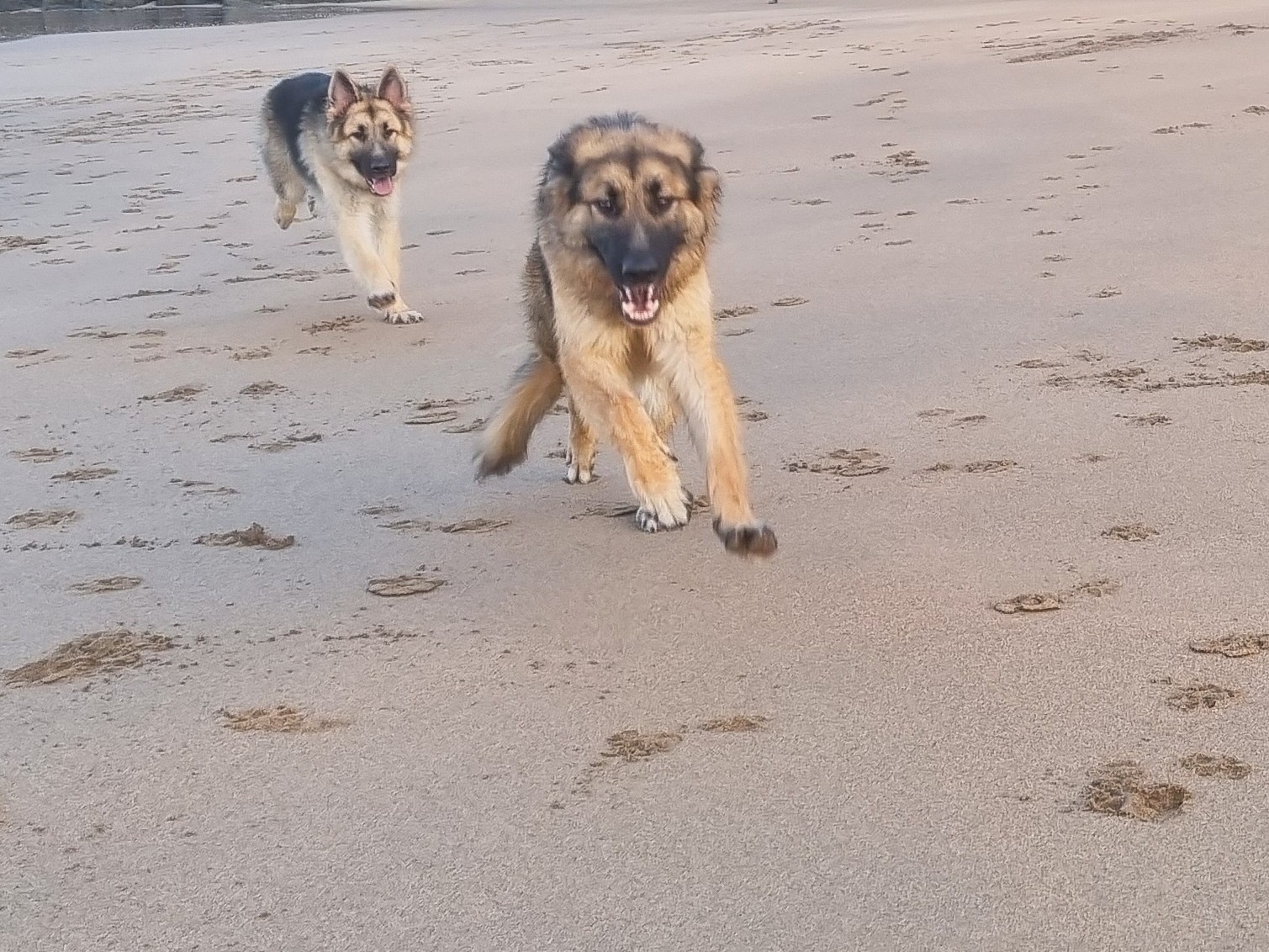
For those seeking the perfect spots to enjoy these joyful moments, be sure to explore the Dog Friendly Beaches Carmarthenshire, where your furry companions can run freely and safely.
For an overview of more of Carmarthenshire’s Beaches click here
The Magic of the Welsh Coastline
Before diving into safety, let’s celebrate our local landscape. Having access to miles of coastline isn’t just great for our dogs’ physical health; it’s a massive boost for our mental well-being as owners. Watching a dog discover a driftwood “trophy” or successfully navigate a shallow rock pool is one of life’s simple pleasures. Seeing my own dogs playing and chasing along the beach is a great stress relief for me and them
Whether you are a regular at Ferryside or prefer the woodland-to-beach transition at Pembrey, our local beaches are a vital part of the Carmarthenshire dog-owning community.
Staying “Water Wise” on Your Walks
While the sea is a great place for a cooling dip, there are a few things to keep an eye on to ensure the water stays a friend, not a foe.
1. The Saltwater Factor Most dogs love a splash, but try to discourage them from drinking the seawater. Ingesting large amounts of salt can lead to “salt toxicity,” which causes dehydration and an upset stomach. Always carry a collapsible bowl and plenty of fresh tap water so your dog isn’t tempted by the brine.
2. Stagnant Water and Estuaries In areas like the Towy Estuary, you might find pockets of standing water or slow-moving streams that collect after a high tide. In warmer months, or after heavy rainfall, these pools can sometimes harbor bacteria or blue-green algae. A good rule of thumb? If you wouldn’t want to paddle your own feet in it, it’s best to keep your dog on a lead until you reach the clearer, moving waves of the open sea.
3. Being Mindful of Local Reports Occasionally, you might hear “whispers” on social media about dogs feeling unwell after visiting specific stretches of the coast. Usually, these are isolated incidents caused by natural occurrences—such as Hemlock Water Dropwort (a plant often called “Dead Man’s Fingers”) being washed down from riverbanks during storms, or decaying organic matter in rock pools.
By staying informed through official local council channels rather than sensationalist headlines, you can make calm, educated decisions about where to walk. If a specific area has a temporary advisory notice, it’s the perfect excuse to explore a different part of our beautiful county!

Navigating the Sands Safely

The beach environment involves more than just water. Here’s how to handle the “land” side of things:
- Tide Times: Always check the tide table before heading out, especially on beaches with cliffs or estuaries where the water can move surprisingly fast. Getting “cut off” is a common risk in parts of West Wales.
- The “Wash Off”: Sand and salt can be surprisingly abrasive. If left on the skin, they can cause “beach itch” or irritate the delicate skin between a dog’s paw pads. We always recommend a quick freshwater rinse-off at the end of a beach session.
- Hidden Treasures: From jellyfish washed up on the shore to discarded fish hooks or picnic leftovers, keep a watchful eye on what your dog is “investigating” with their nose.
Post-Beach Pampering
After a day of salt, sand, and sea spray, your dog’s coat often tells the story of their adventure. While we love a “sandy dog,” that salt can strip the natural oils from their fur, leading to matting and dryness—especially for those with longer or curly coats like Doodles, Spaniels, and Terriers.
A professional “Bath and Brush” after a coastal holiday or a particularly sandy month can help restore the pH balance of their skin and ensure no hidden debris is causing irritation in their coat.
Enjoy Every Moment
At the end of the day, the risks on our beaches are very small compared to the massive benefits of exercise and socialization. By staying alert, carrying fresh water, and respecting the power of the sea, we can continue to enjoy the stunning Carmarthenshire coastline for years to come.

Don’t let the sand come home with you! We are lucky to have so many stunning beaches on our doorstep, but we know the “post-beach mess” can be a challenge. Dog and Bone Grooming offers professional bathing and grooming sessions to restore that soft, fresh-smelling coat. Since we operate on a strictly scheduled basis, advance booking is essential.
