Cockerpoo Grooming Frequently Asked Questions: Everything You Need to Know
Are Cockerpoos difficult to groom?
Cockerpoos are not inherently difficult to groom, but they are high-maintenance dogs with complex coats.
Grooming is an essential aspect of Cockerpoo care, and understanding the intricacies of their grooming needs can make the process smoother for both owners and dogs. Frequent grooming not only helps to maintain the coat but also strengthens the bond between the owner and the pet, as it becomes a shared activity that promotes trust and comfort.
They often have:
-
Dense, fast-growing hair
-
Mixed coat textures (curl + feathering)
-
A tendency to mat close to the skin
Without regular professional grooming and correct home brushing, grooming can quickly become uncomfortable or stressful for the dog.
Moreover, establishing a grooming routine early on can set a positive tone for the dog’s grooming experiences in the future. This includes introducing the dog to various grooming tools and techniques gradually, which can help alleviate any fears or anxieties associated with the grooming process.
Cockerpoo grooming frequently asked questions.
Why does my Cockerpoo get nervous at the groomers?
Understanding why your Cockerpoo may be anxious at the groomers is crucial. For example, some dogs may have had a negative experience with grooming in the past, which can lead to heightened anxiety whenever they are taken to a grooming session. It’s essential for groomers to approach nervous dogs with care and patience, using positive reinforcement techniques to create a calming environment.
A Cockerpoo may become nervous at the groomers due to:
-
Previous painful grooming caused by matting
-
Lack of early grooming exposure
-
Being handled differently by multiple groomers
-
Sensitivity around feet, face, or ears
-
Owner anxiety transferring to the dog
Nervous behaviour is a form of communication, not stubbornness or aggression.
How often should a Cockerpoo be groomed?
Regular grooming is not just about aesthetics; it also plays a vital role in the overall health of a Cockerpoo. For instance, regular brushing prevents hair from matting and reduces the risk of skin infections due to trapped dirt and debris. Owners should be aware of the specific grooming requirements based on their dog’s coat length and texture.
Most Cockerpoos require:
-
Professional grooming every 6–8 weeks
-
Thorough brushing at home 3–4 times per week
Dogs kept in longer styles may need:
-
More frequent brushing
-
Shorter grooming intervals
Skipping appointments often leads to matting, which increases grooming stress and limits styling options.
What is the best coat care routine for a Cockerpoo?
In addition to the basic grooming routine, incorporating occasional treatments such as dog-friendly shampoos and conditioners can enhance the coat’s health and appearance. Owners may also consider consulting a professional groomer for advice on the best products suitable for their Cockerpoo’s coat type, as some products can contribute to matting if not chosen correctly.
A proper Cockerpoo coat care routine includes:
-
Using a slicker brush and metal comb
-
Brushing all the way down to the skin
-
Checking high-friction areas such as:
-
Behind the ears
-
Armpits
-
Groin
-
Legs and paws
-
-
Never bathing a matted coat before brushing
Correct coat care significantly reduces grooming anxiety.
Why do groomers sometimes shave Cockerpoos short?
Shaving may seem drastic, but it can be a necessary step in certain situations. For example, if a dog is severely matted and unable to be comfortably brushed out, a professional groomer may advise a shave to relieve the dog’s discomfort. This can often lead to a healthier coat regrowth, providing an opportunity for the dog to regain its natural beauty over time.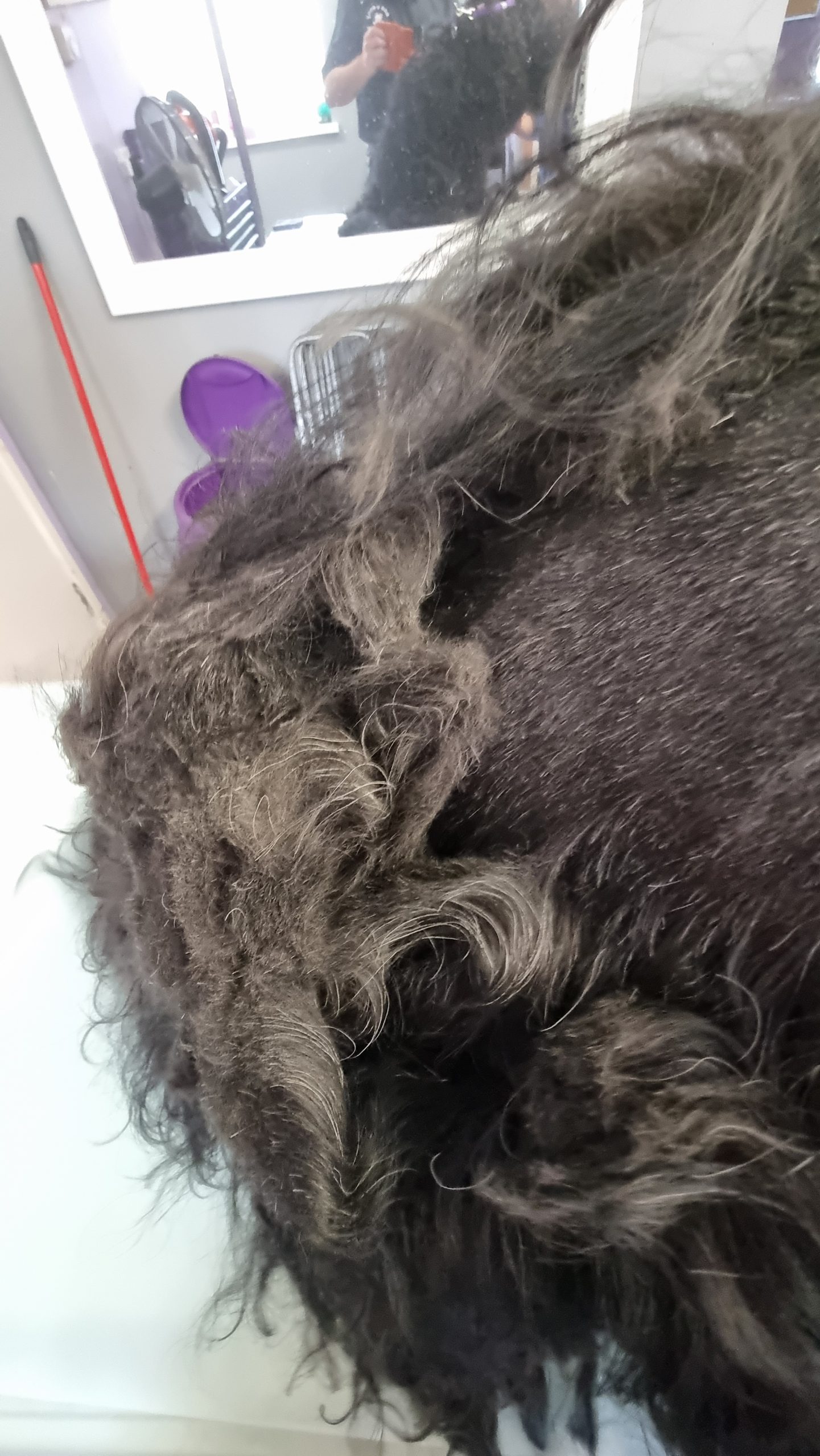
Groomers may recommend a short haircut when:
-
The coat is severely matted
-
Brushing would cause pain
-
The dog is highly stressed or reactive
-
Welfare and safety are at risk
A short “reset groom” is often the kindest and safest option, allowing the coat and the dog’s confidence to recover.
Why has my Cockerpoo been refused by multiple groomers?
It’s important to remember that each dog is unique, and grooming styles or methods that work for one dog may not be suitable for another. This is especially true for Cockerpoos, as their mixed coat can lead to different grooming challenges. Understanding your specific dog’s temperament and coat type will enable you to find the right grooming approach.
A Cockerpoo may be refused grooming if:
-
They cannot be handled safely
-
They show escalating fear or defensive behaviour
-
Severe matting prevents humane grooming
-
Previous grooming attempts were unsuccessful without a plan
This is not a punishment — it is a professional welfare decision.
How can better communication help my nervous Cockerpoo?
Additionally, engaging in training exercises that promote relaxation can be beneficial for nervous Cockerpoos. Techniques such as desensitisation, where the dog is gradually exposed to grooming tools and processes in a controlled environment, can significantly improve their comfort levels. This builds trust and helps the dog associate grooming with positive experiences.
Clear communication between groomer and owner helps by:
-
Setting realistic expectations
-
Preventing misunderstandings about coat condition
-
Allowing behaviour plans to be put in place
-
Reducing stress for the dog
-
Creating consistency between appointments
Successful grooming is a collaborative process, not a one-off service.
Are Cockerpoos suitable for first-time dog owners?
First-time dog owners should consider reaching out to experienced owners or trainers for guidance on grooming practices. This can provide invaluable insights into creating a suitable grooming schedule and methods tailored to the individual dog’s needs. Resources such as local dog training classes or online forums can also serve as excellent platforms for acquiring helpful tips and support.
Cockerpoos can be wonderful companions, but they are not low-maintenance dogs.
First-time owners should be prepared for:
-
Regular professional grooming costs
-
Time spent brushing at home
-
Ongoing coat education
-
Behaviour support during adolescence
Understanding grooming needs early prevents many future problems.
What should I tell my groomer before my Cockerpoo’s appointment?
Providing detailed information about your dog’s behaviour and grooming history will help the groomer develop a tailored approach for your Cockerpoo. Additionally, discussing any concerns or preferences prior to the appointment can establish a collaborative relationship and create an environment of trust and transparency.
Always inform your groomer about:
-
Any nervous or aggressive behaviour
-
Past grooming experiences
-
Health issues or sensitivities
-
Your home grooming routine
-
Any changes since the last visit
Honesty helps your groomer keep your dog safe and comfortable.
Can a nervous Cockerpoo learn to enjoy grooming?
Furthermore, engaging in regular home grooming sessions can foster a sense of familiarity and routine for your Cockerpoo. Including treats and praise during these sessions reinforces positive behaviour, making the process enjoyable for both the dog and the owner. Over time, your Cockerpoo will likely begin to see grooming not as a chore but as a quality bonding experience with their owner.
Yes — many nervous Cockerpoos improve significantly with:
-
Consistency
-
Short, positive grooming sessions
-
One regular groomer
-
Well-maintained coats
-
Patience from both owner and groomer
Progress may be gradual, but trust can be rebuilt.
You can find an example of some of the tips we use on our you tube clip
Remember, a positive grooming experience is essential for your Cockerpoo’s wellbeing. By focusing on clear communication, establishing a consistent routine, and being patient, you can help your dog learn to enjoy grooming. Remember, the way you approach grooming can greatly influence your Cockerpoo’s attitude towards it, making the process less stressful and more enjoyable for everyone involved.
You also may be interested in our blog about grooming nervous cockerpoos which you can find here
